
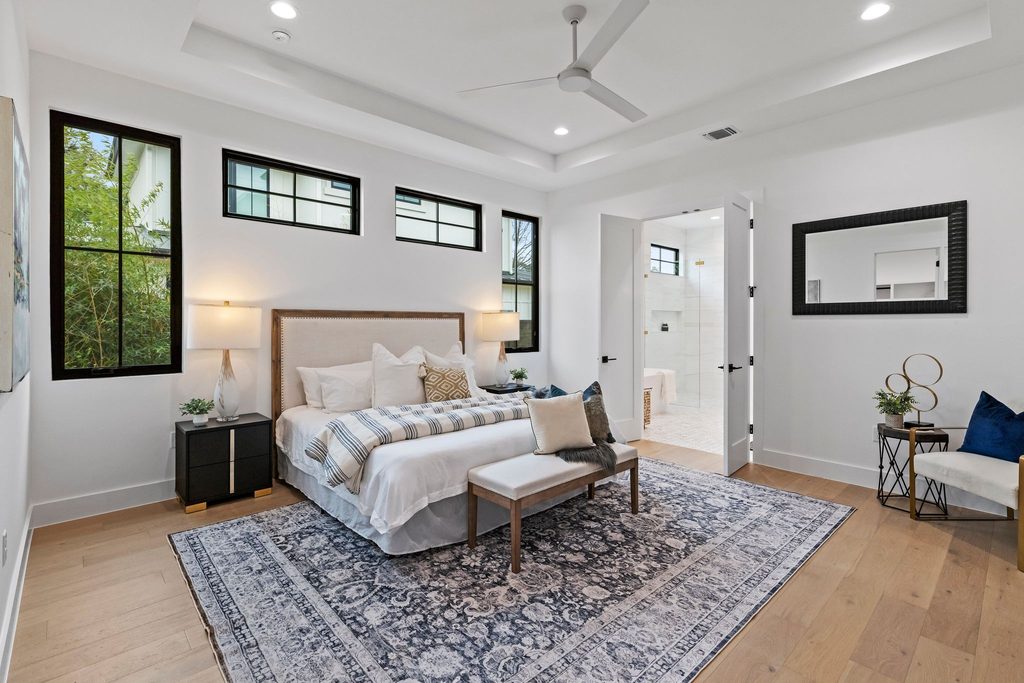
Homes across Marion and Volusia counties are changing shape this year. Garages are turning into offices, patios are becoming full living rooms, and empty side yards are filling up with new square footage. Something has shifted in how families think about their homes, and it shows in the number of trucks parked on residential streets every week.
The Space Crunch Behind the Surge
Central Florida has grown fast over the past several years. New residents keep arriving from other states, and existing homeowners are finding that their houses no longer match how they actually live day to day. Therefore, they are thinking about new home additions and searching for reliable room addition services.
Growing Families Need More Space
A family that bought a three-bedroom home a decade ago might now need a home office, a playroom, or space for an aging parent. Instead of compromising with the existing layout, an addition can create the extra room needed without requiring the family to leave a familiar neighbourhood.
Moving Is Becoming More Expensive
Moving to a bigger house sounds simple until buyers see current mortgage rates and inflated resale prices in Ocala, New Smyrna Beach, and Daytona Beach. For many households, staying in their current home and expanding it has become the more sensible choice.
Renovation Demand Continues to Rise
Local building departments have noticed the same pattern. Addition and renovation permit filings have outpaced new home construction permits in several Central Florida counties over recent building cycles, according to local contractor reports. That trend lines up with what shows on the ground, where remodeling crews stay booked out weeks in advance while some new construction lots sit untouched longer than expected.
Florida’s Climate Influences Home Decisions
Climate plays a role too. Florida’s hurricane season pushes many owners toward reinforcing what they already have rather than starting fresh on a new lot. An established home may already have features that address wind and flood requirements, while a new build has to account for these considerations from the beginning.
Expanding Can Make More Sense Than Starting Over
For homeowners who like their location but have outgrown their current layout, an addition offers a middle ground. They can gain the space they need while keeping the property, neighbourhood, and routines that already work for them.
Why Homeowners Are Choosing to Build Instead of Move
Selling a home means dealing with closing costs, staging, showings, and the possibility of replacing a favorable mortgage rate with a much higher one. That makes adding usable space an increasingly attractive option for homeowners in Ocala.
There is also an emotional pull toward the neighborhood a family already knows. Kids stay in the same school, neighbors stay familiar, and the daily routine barely changes.
The same thinking is gaining attention among homeowners in Gainesville, where room addition services can help families create the space they need without the disruption of moving. It offers a practical way to make an existing home work better.
• Construction timelines are shorter than the search-and-move process for a new house
• Additions can be phased, so a family builds one room now and plans another later
• Property value tends to rise with added square footage in most Central Florida markets
• Existing landscaping, driveways, and outdoor structures stay untouched by the project
What a Well-Planned Addition Actually Involves
A room addition is not just extra drywall and a roofline. It touches structure, electrical load, plumbing routes, and sometimes the home’s foundation, depending on whether the addition sits on a slab extension or a raised pier system.
Good planning starts with a clear list of goals before a single permit gets filed. Ask what the room needs to do, how it connects to existing traffic patterns in the house, and whether natural light and airflow will work with the new layout.
Several elements typically get reviewed early in the process:
• Structural load calculations for the new roof and wall tie-ins
• HVAC capacity, since most systems are not sized for extra square footage
• Window and door placement for egress and natural light
• Drainage and grading changes around the new footprint
Permits and Local Codes in Marion and Volusia Counties
Every county in Central Florida has its own permitting office, inspection schedule, and setback rules. Marion County and Volusia County both require permits for structural additions, electrical work, and plumbing changes, and inspections happen at several stages of construction.
Skipping this step or hiring someone unlicensed to handle it creates real risk. Unpermitted additions can complicate a home sale later, and insurance companies sometimes deny claims tied to unpermitted structural work.
Choosing Materials That Match the Existing Home
One detail that trips up plenty of homeowners is matching the new addition to the original structure. Roof pitch, siding texture, brick color, and window trim all need to line up closely enough that the addition looks like it was always part of the house.
Older homes built decades ago sometimes used materials that are no longer manufactured, which means a contractor has to source close alternatives or blend transition details so the seam is not obvious. This is where experience with older Florida housing stock becomes valuable, since a crew that has handled similar vintage homes before knows which shortcuts to avoid.
Interior finishes matter just as much as the exterior shell. Flooring transitions, ceiling height matching, and paint color continuity all affect whether the new room feels like an addition or simply feels like home.
Room Addition or ADU: How to Decide
Not every space problem calls for the same solution. A bump-out addition attaches directly to the existing home and shares utilities, while an accessory dwelling unit stands as a more separate living space, sometimes with its own entrance and kitchen.
Families planning space for aging parents or adult children often lean toward an ADU because it offers privacy along with proximity. Homeowners who just need one more bedroom or a larger kitchen usually find a standard addition faster and less expensive.
A licensed general contractor Central Florida homeowners can trust will walk through both options honestly, including cost differences, timeline differences, and how each choice affects future resale value.
Built by Coastal Construction Inc.
Coastal Construction Inc. has spent years handling additions, renovations, and new builds across Ocala, New Smyrna Beach, Port Orange, Daytona Beach, and Gainesville. The team holds Florida CBC license 1266339 and carries EPA Lead Safe certification, which matters on older homes where lead paint disclosure rules apply.
Every project starts with an honest conversation about budget and goals, not a sales pitch. From permit filing through the final walkthrough, the crew manages subcontractors, inspections, and scheduling so homeowners are not left chasing details themselves. That approach has earned a five-star Google rating built entirely on word-of-mouth referrals across Marion and Volusia counties.
Anyone weighing a bump-out room, a second-story addition, or a full ADU can reach the Ocala office directly to schedule a consultation and get a realistic estimate before committing to a design.
Frequently Asked Questions
How much does a typical room addition cost in Central Florida?
Costs vary widely based on size, foundation type, and finish level, but most single room additions in this region fall between fifty thousand and one hundred fifty thousand dollars depending on scope and materials chosen.
How long does a room addition usually take to complete?
A standard addition typically takes two to four months from permit approval to final inspection, though larger projects or those requiring foundation work can extend beyond that window.
Do I need an architect for a room addition?
Smaller additions sometimes only need a licensed contractor and an engineer for structural drawings, while larger or more complex additions benefit from a full architectural plan before permitting begins.
Will a room addition increase my home’s resale value?
Additional square footage generally raises resale value in Central Florida, especially bedrooms and bathrooms, though the exact return depends on neighborhood comparables and construction quality.
Can an existing HVAC system handle a new room addition?
Most existing systems are sized for the original square footage only, so an HVAC evaluation early in planning helps determine whether the current unit needs an upgrade or a supplemental system.